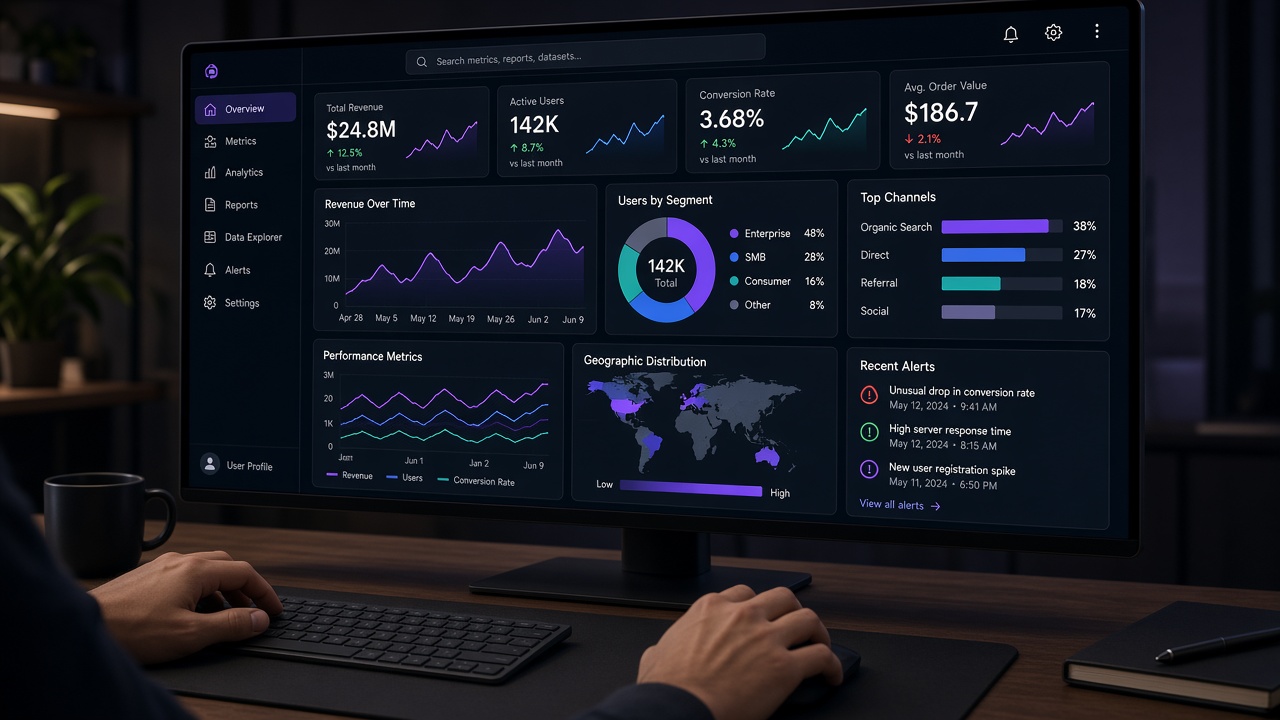
IFU & registration extraction
PDFs become fields with a review queue for misses.

Next Gen System builds production chatbots, Voice AI, bot & process automation, agentic systems, OpenAI integrations, and data services—wired to your workflows.
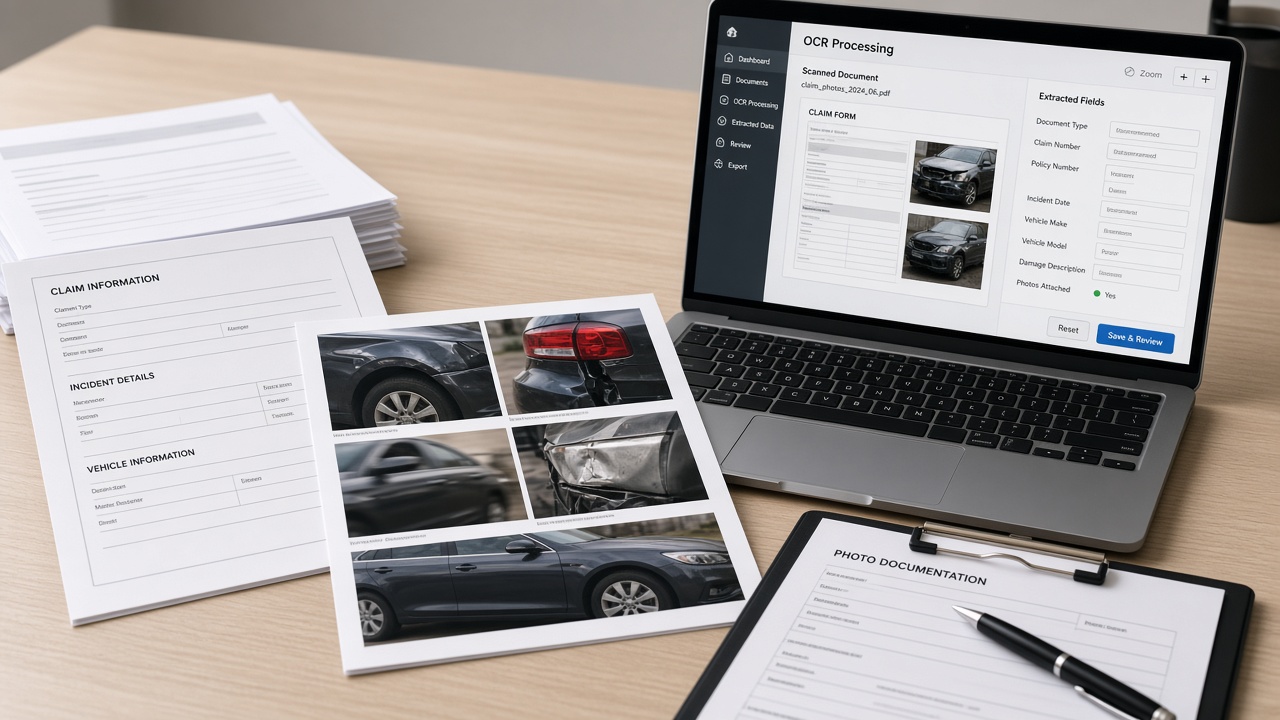
Registrations, IFUs, and portal chores that still have no API.
Built for device makers, diagnostics firms, and quality ops that live between PDFs, portals, and spreadsheets.
Device work is paperwork and portals: registrations, IFUs, lab handoffs, and screens that never got an API. We extract documents into fields you can load, run bots on the copy-paste jobs, and put exceptions on a path with an owner.
Specific production work—not a generic “we do AI for this sector” list.
PDFs become fields with a review queue for misses.
Scheduled updates on screens with no API, plus break alerts.
Failed fields follow a named path instead of email ping-pong.
Device-to-lab packets move in order with timestamps.
Next Gen System treats Medical devices & diagnostics as operating jobs with owners, integrations, and a handoff—not a slide of industry logos.
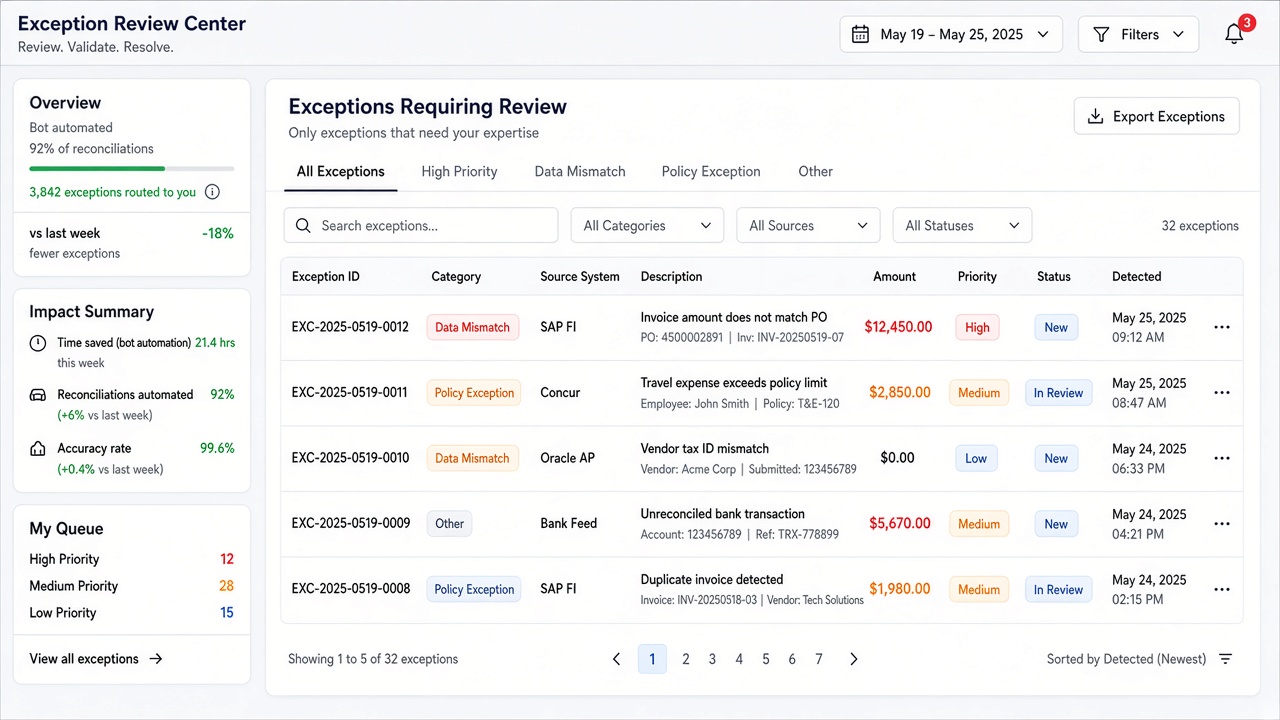
A registration pack should not wait on someone to retype a PDF. Extraction lands fields with confidence scores; low-confidence rows go to review instead of silently wrong data in the system of record.
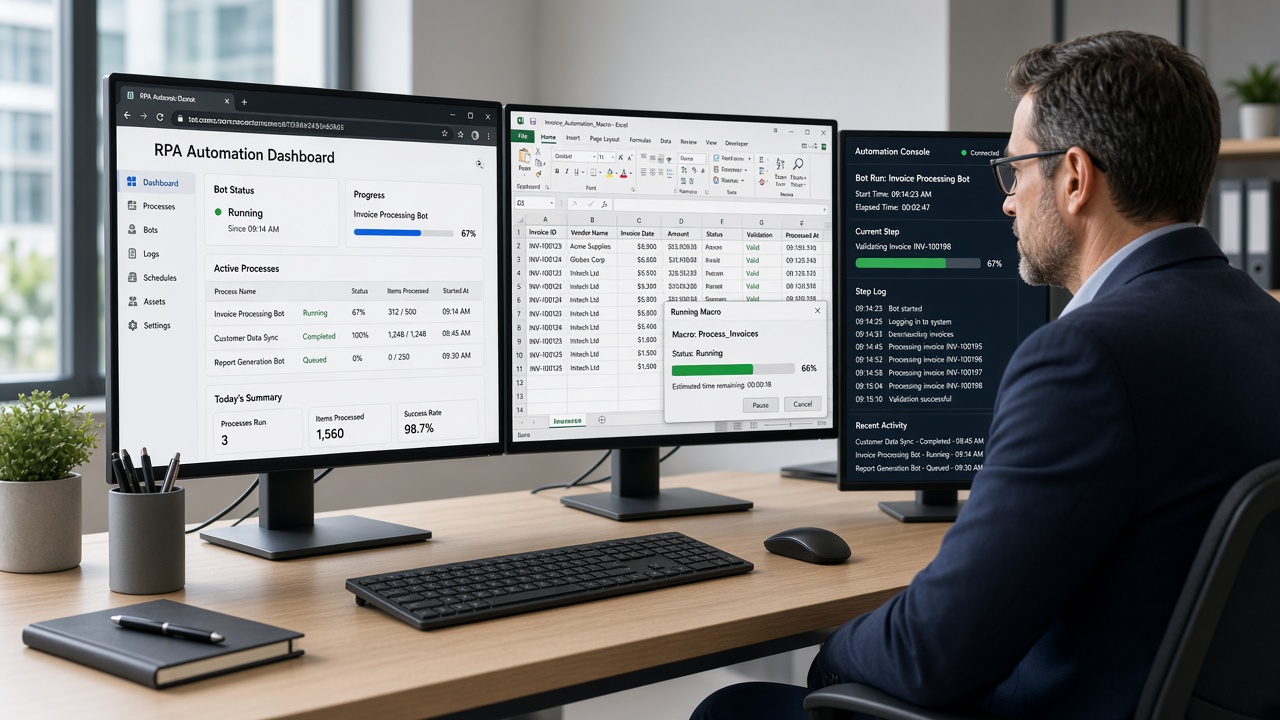
Where the vendor portal is the only interface, unattended bots run the scheduled loads and pause with a screenshot when the screen changes. You get a break alert, not a week of bad posts.
Handoffs between device data, labs, and ops follow a fixed path. Humans stay on judgment and failed checks—not on being the integration layer.
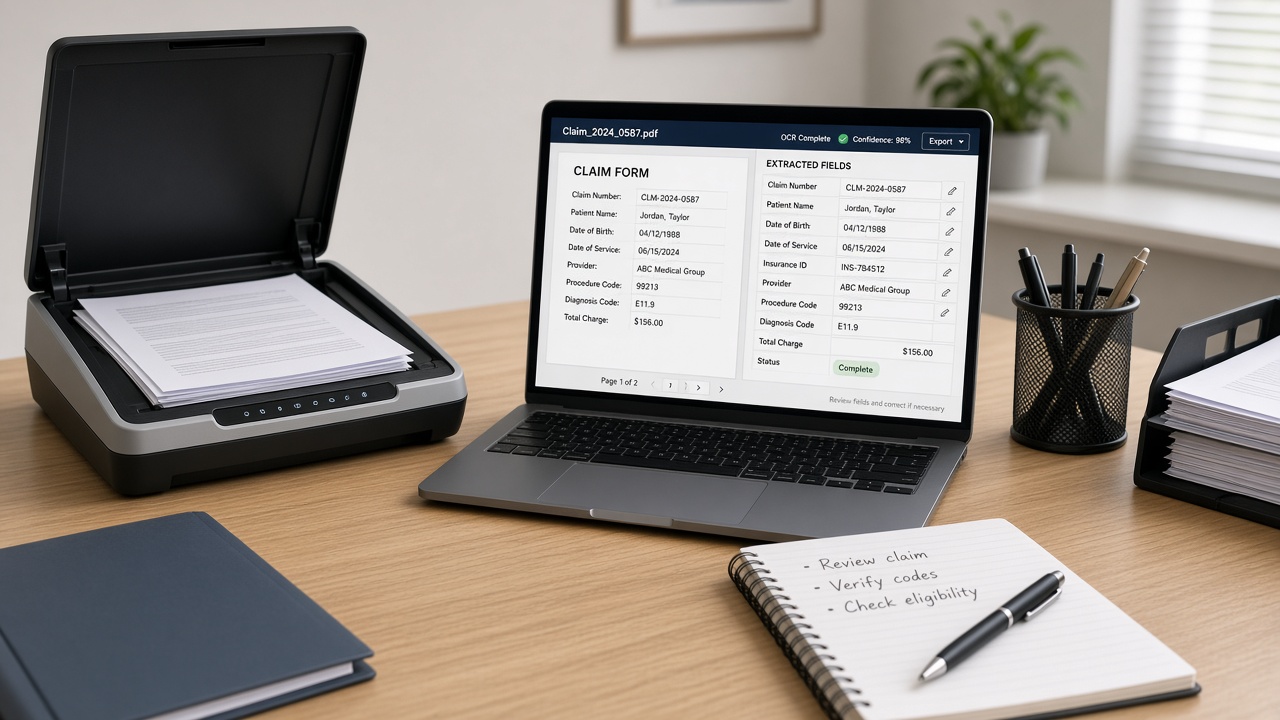
Each row is a real job here, tied to a service your team can open.
Data Extraction
IFUs, registrations, and lab PDFs become fields in the system of record, with confidence scores and a review queue for the misses.
View service
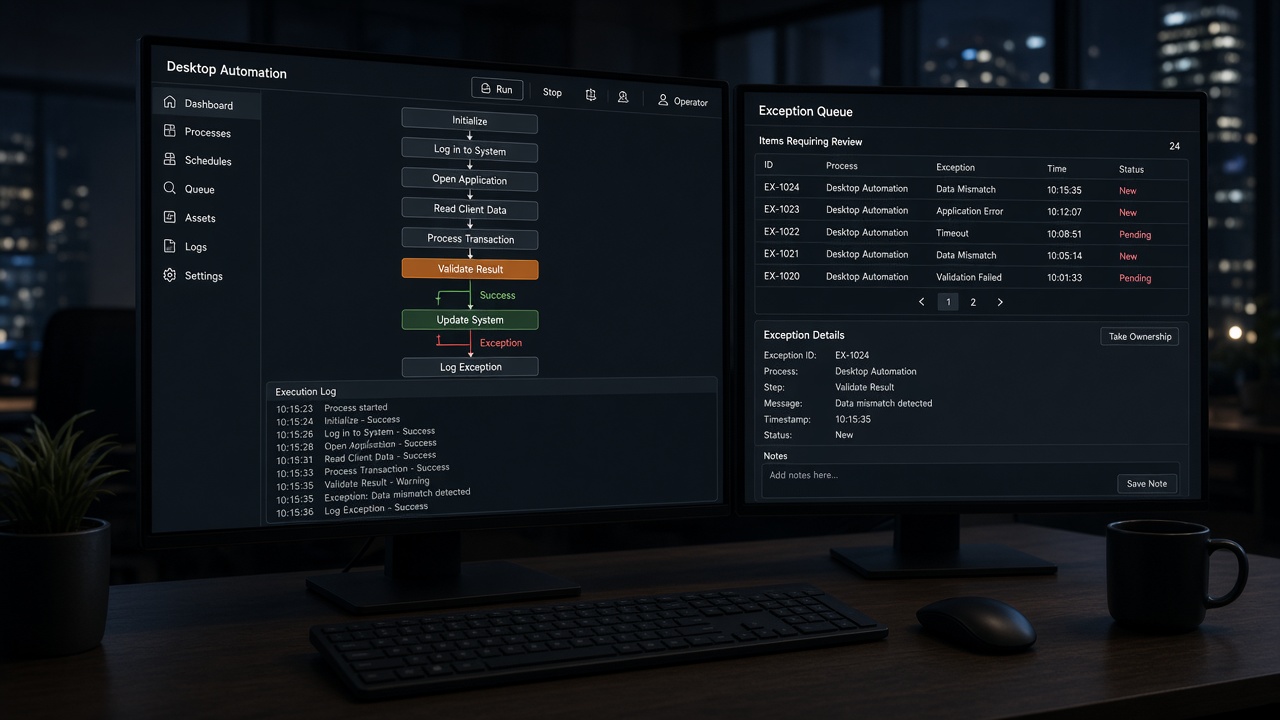 Bot Automation
Portal updates, registration copies, and spreadsheet loads that have no API still run on a schedule, with a break alert when the screen changes.
View service
 Process Automation
Device registrations, lab handoffs, and exception packs follow a fixed path from form to system of record, with a human step only when a field fails a check.
View service
Quality and ops should spend time on judgment—not on being the copy-paste layer between PDFs and portals.
Packs land as fields you can load. The queue is the misses, not every page of every PDF.
Bots pause with a screenshot when the screen changes. You get a break alert, not a week of bad posts.
People correct what the model is unsure about. High-confidence fields post without a second pass.
Handoffs carry timestamps and owners so QA can replay what moved, not reconstruct it from inboxes.
We scope the win, build with evals, and hand over a system your team can run.
We map high-ROI chatbot, voice, automation, or data use cases—then pick the first win that can reach production.

We design the system, integrate your stack, and prove quality with evals before wider rollout.
We ship with monitoring, feedback loops, and a clear runbook so your team can own the system.
Straight answers for Medical devices & diagnostics work with Next Gen System.
Only where you have legitimate access and an owner for credentials. We document the selector risk and the alert when the UI changes.
We measure field-level confidence and route misses. We do not claim 100% on noisy scans—we show the queue.
No. It feeds the system you already run for quality and registrations.
We will pick the first production job, the systems it must touch, and what “done” looks like for your operators.
Share your use case. We respond within one business day.