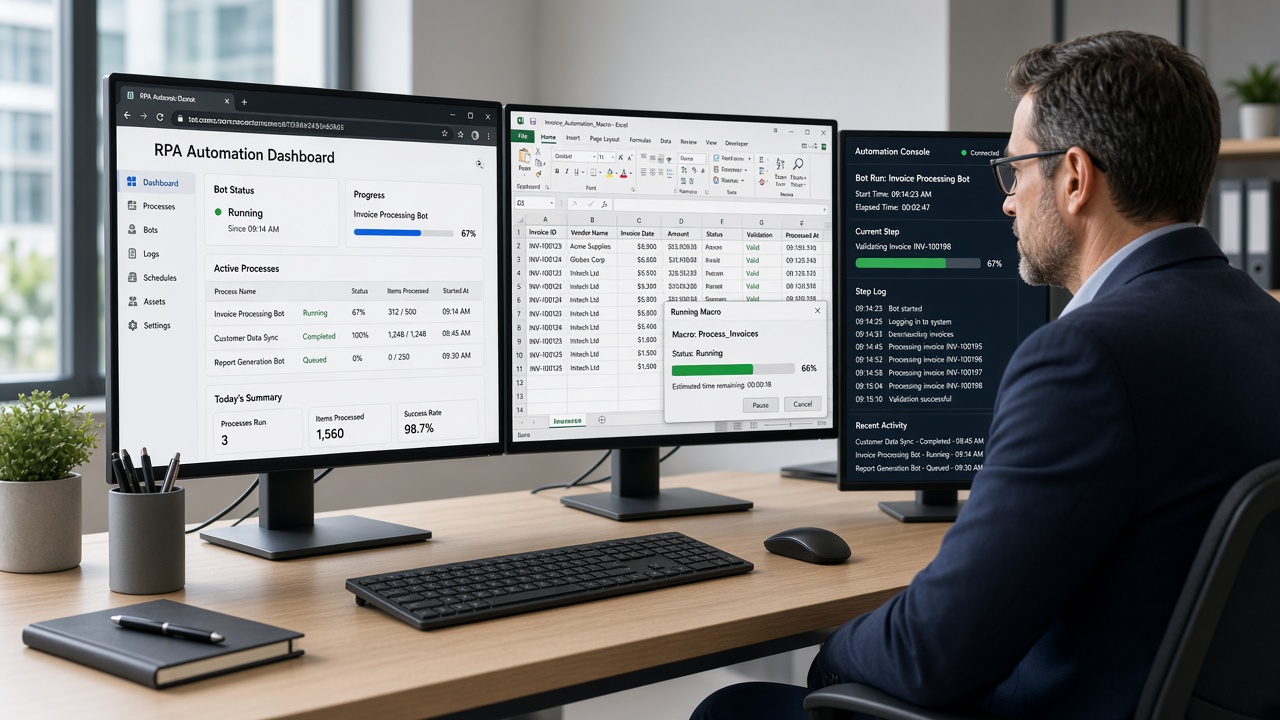
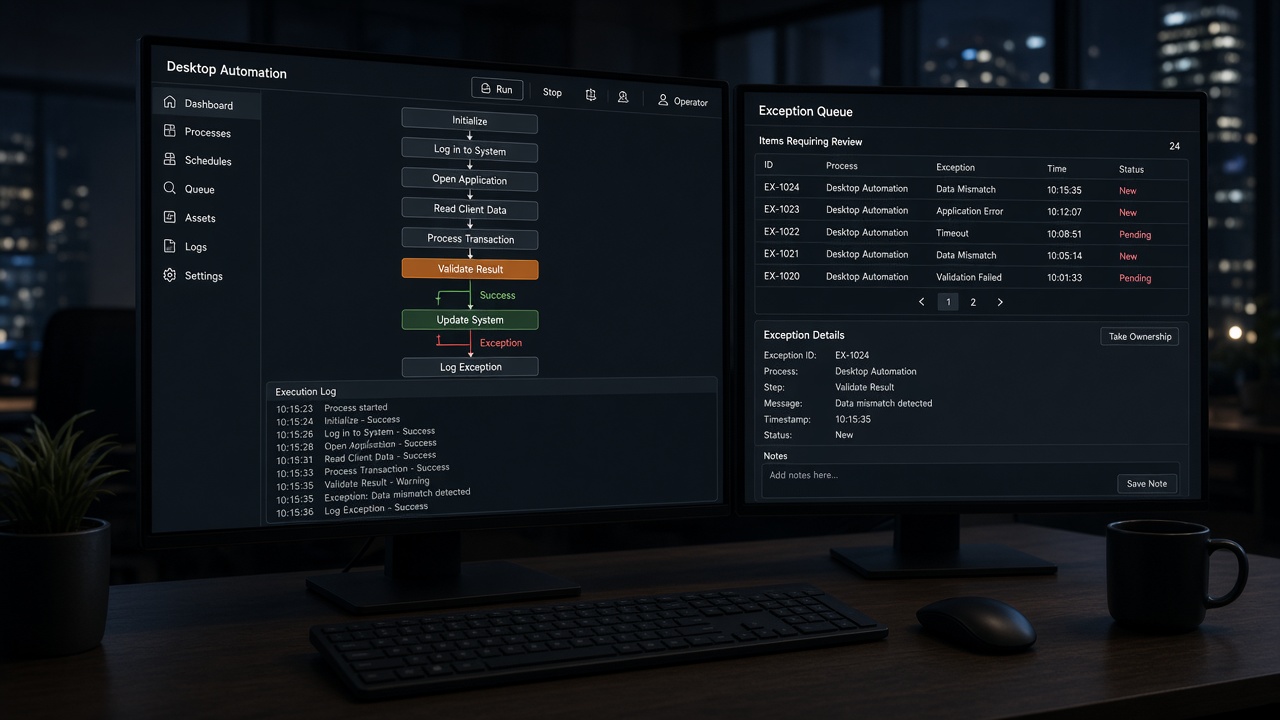
Next Gen System builds production chatbots, Voice AI, bot & process automation, agentic systems, OpenAI integrations, and data services—wired to your workflows.
Next Gen System builds production chatbots, Voice AI, bot & process automation, agentic systems, OpenAI integrations, and data services—wired to your workflows.
Service
Voice assistants with tools, policies, and call-completion metrics.
Built for Leaders who need phone and voice channels that resolve work—not endless IVR menus.
Next Gen System builds Voice AI beyond IVR trees: natural speech, tool use, CRM actions, and human escalation with full context. We focus on latency, recognition quality, policy-safe behavior, and measurable call containment.
Production voice assistants for support, scheduling, and ops—with clear handoff and metrics.

Project types
Concrete builds we ship under this service—not a generic AI wishlist.
Industries
How this service shows up in each sector—specific jobs, not a generic industry list.
Inbound calls book, reschedule, and confirm visits, then write the outcome into the scheduling system. After-hours does not mean a voicemail black hole.
View industry HealthcareMembers get eligibility and claim-status answers on the phone, with a live agent only when the case needs judgment—and the call notes travel with them.
View industry FinanceFNOL and status calls are taken 24/7, structured, and parked in the claims system so adjusters start with facts instead of a voicemail.
View industry FinanceBalance, card, and appointment calls resolve with authentication you already use. High-risk intents go to a person with the call summary.
View industry More industriesDrivers and customers get pickup windows and delay notices by phone without tying up the dispatch desk for every “where is my truck?”
View industry More industriesHigh-volume support and outage lines contain the simple work and route the rest with account context, not a cold IVR dump.
View industry More industriesBooking, reminder, and change calls run against your PMS. The front desk sees what the caller already confirmed.
View industryWhy it matters
Next Gen System treats voice ai as a production system—scoped outcomes, owned integrations, and measurable quality from day one.
Voice AI fails when latency, handoff, or policy breaks trust on a live call. We design speech flows, tools, and escalation together.
From scheduling to support, voice agents are evaluated on completed jobs—not talk time.
In practice, teams use this engagement to voice agents that complete tasks, not only transfer, tool calling into crm, ticketing, and calendars, policy and brand guardrails on live calls, and analytics for containment, csat, and failures.
Most stalled programs share the same friction: unclear ownership after a pilot, and brittle scripts without monitoring. Later, no evaluation of quality or roi, and integrations treated as an afterthought tends to show up if ownership is unclear.
Outcomes & deliverables
Concrete results and artifacts—so stakeholders know what “done” looks like before build starts.
Business outcomes
You receive
How we structure the work
Each workstream is a chapter of delivery—not a checklist item. Together they move you from scoped intent to owned production.
Natural turns with barge-in and clear confirmations.
CRM, calendar, ticketing, and custom APIs.
Topic blocks, PII handling, and escalation.
IVR / phone / softphone wiring with latency budgets.
Business impact
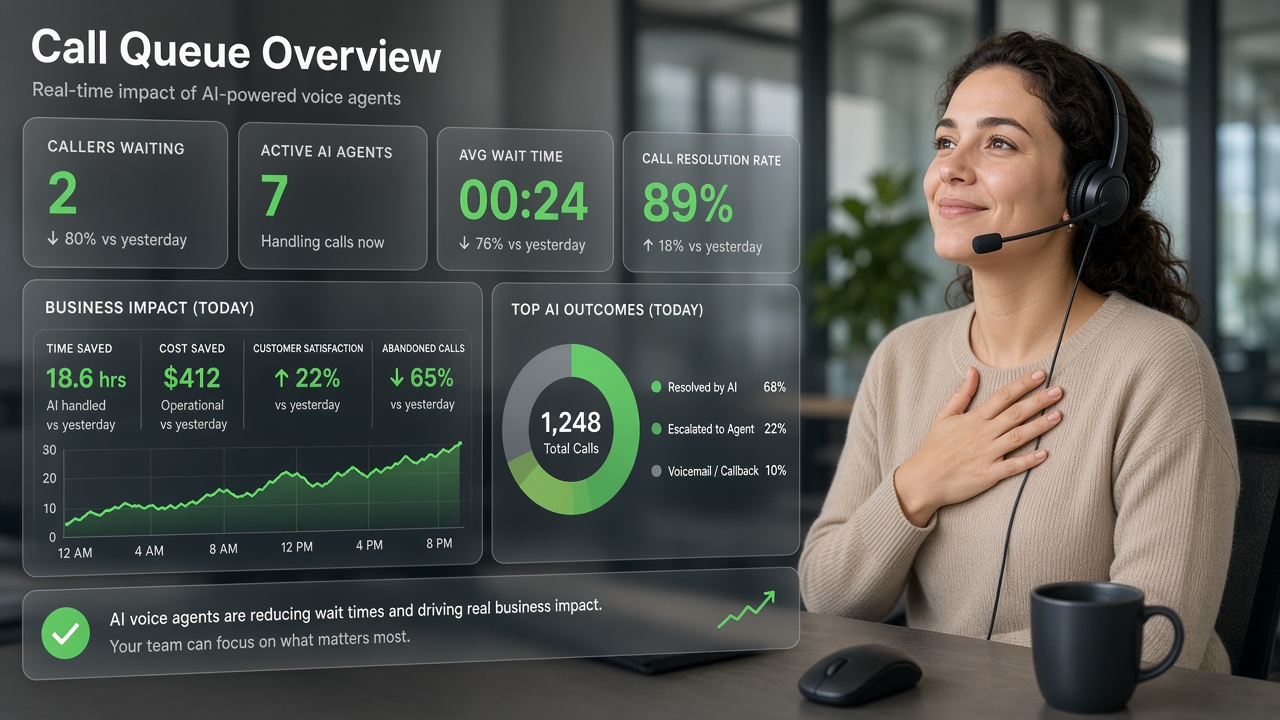
Higher containment on priority call types. Auditable tool calls during conversations. Policy-safe spoken responses. Clean human handoff with full context.
You leave with voice dialogue and tool architecture, production voice endpoints / telephony wiring, guardrails, logging, and eval harness, and agent-assist and escalation playbooks—assets your operators can run without another consulting cycle.
Typical stack choices include STT / TTS, LLM agents, Tool APIs, Telephony, and Observability—selected for your compliance, latency, and ownership needs rather than a fixed tool wishlist.
We scope the win, build with evals, and hand over a system your team can run.
We map high-ROI chatbot, voice, automation, or data use cases—then pick the first win that can reach production.

We design the system, integrate your stack, and prove quality with evals before wider rollout.
We ship with monitoring, feedback loops, and a clear runbook so your team can own the system.
Good fit
Not a fit
FAQ
Straight answers for evaluating Voice AI with Next Gen System.
Both—we start with the channel that drives volume, then reuse the same dialogue design across phone and in-app voice.
We tune STT settings, confirm critical slots, and design recovery turns so recognition errors do not break the call.
Yes when tools/APIs are available. Tool calls are logged and gated by policy for high-risk actions.
Voice AI is strong for nights and spikes—with clear escalation when the caller needs a human.
We budget end-to-end latency, stream speech where possible, and cut unnecessary tool round-trips before launch.
We align disclosures, retention, and PII handling with your legal and telephony setup during design.
Related
Share your use case. We respond within one business day.